
Moroccan caftan, a heritage honoured by UNESCO
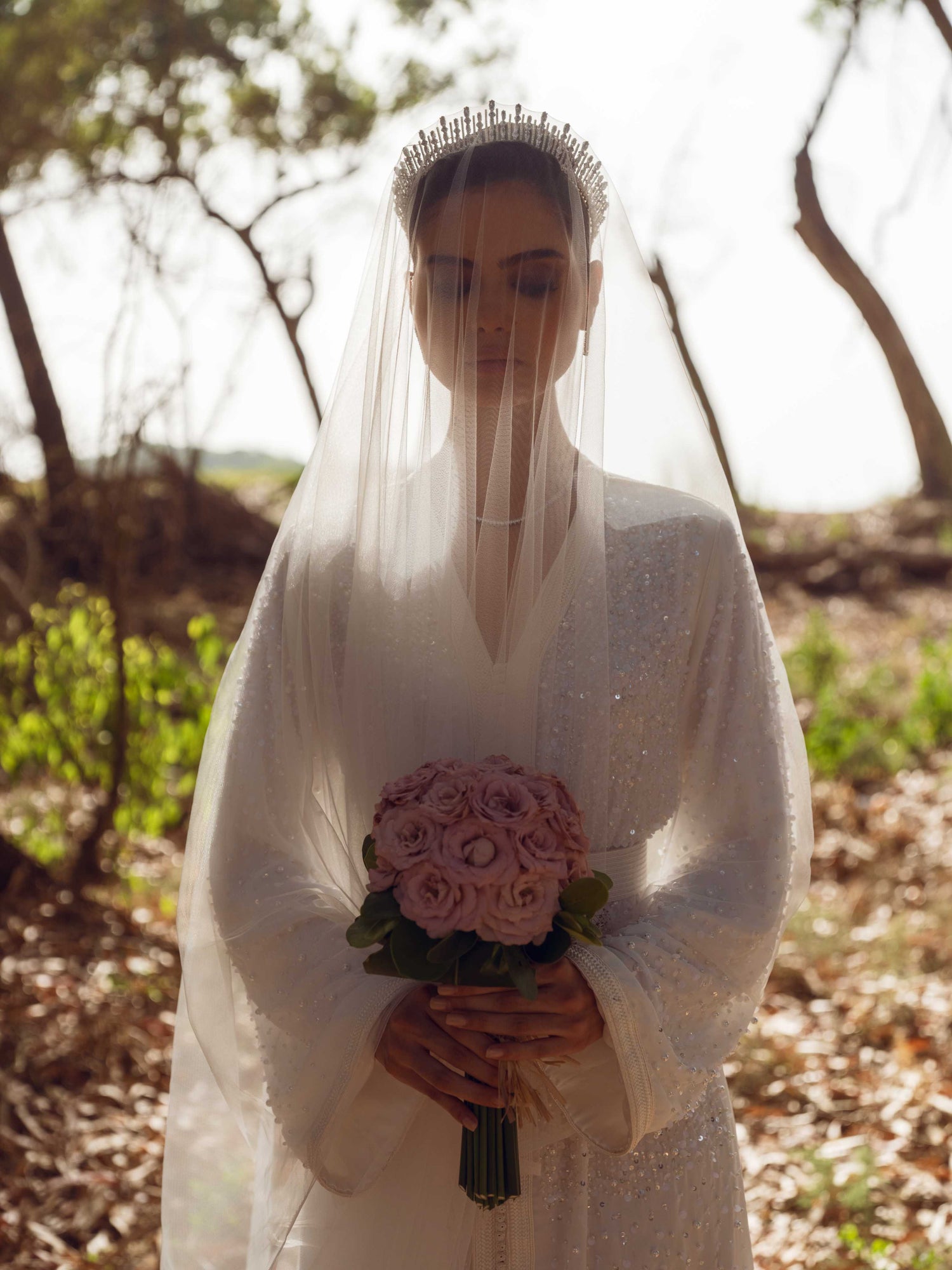
At DAR AL KAFTAN, this recognition is seen as a tribute to generations of artisans. The caftan has always been at the centre of Moroccan celebration. It is present at weddings, family gatherings, religious occasions, and important life milestones. UNESCO recognition highlights this role and reminds the world that the caftan is a complete art form, not only a ceremonial outfit.
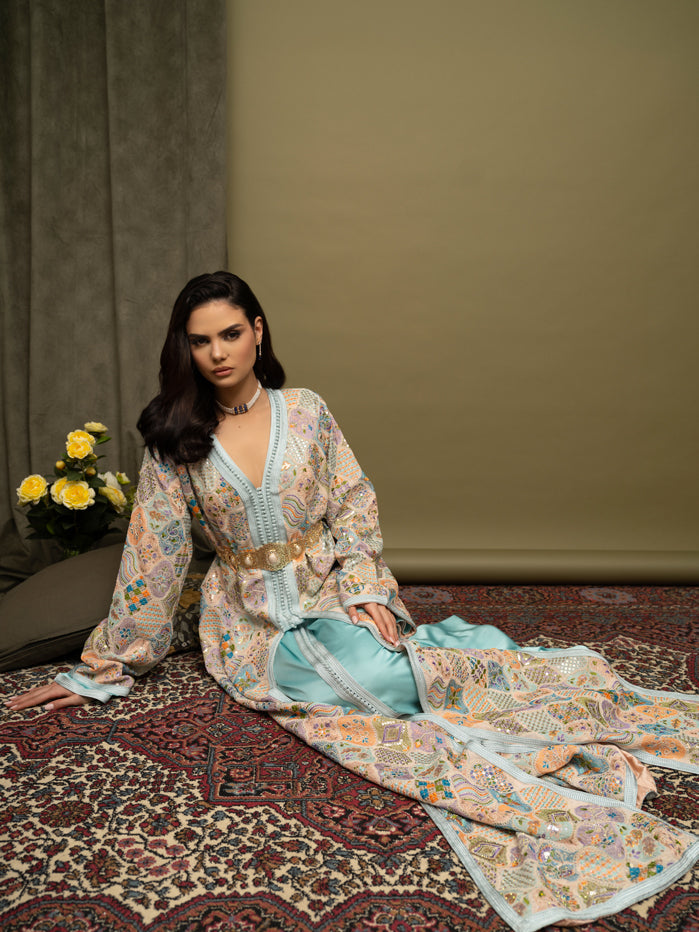
The caftan brings together several skills in a single creation. Pattern making, fabric selection, embroidery, hand work, and finishing touches all require time and knowledge. Each region and each family has its own way of interpreting the caftan, through colours, motifs, and details. This diversity is part of what makes the Moroccan caftan a cultural treasure.
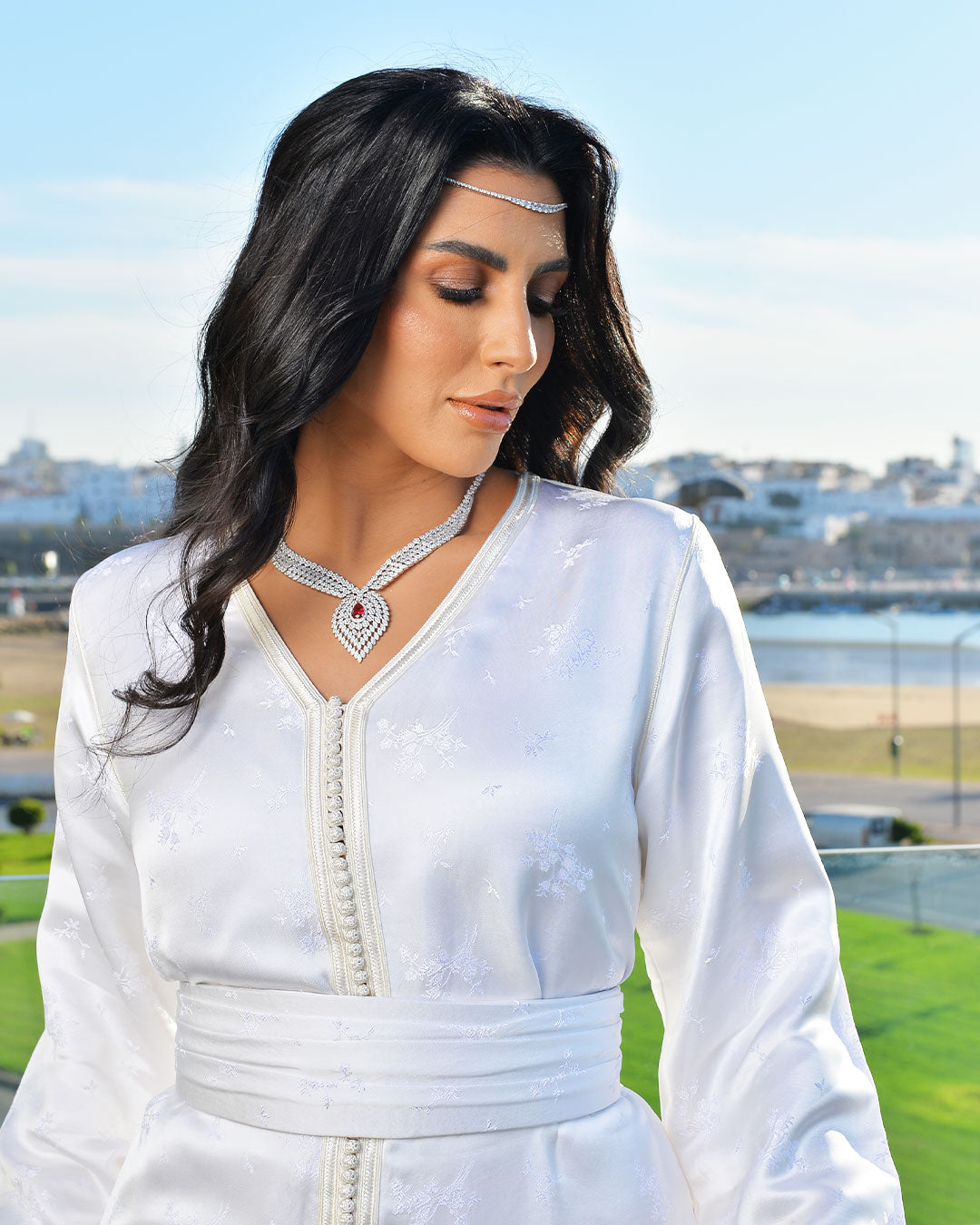
Today, this heritage continues to evolve. At DAR AL KAFTAN, traditional techniques remain at the heart of each piece, while designs speak to a contemporary eye. The cuts can be more fluid, the lines more refined, and the colours chosen to reflect both the past and the present. The goal is always the same. Respect the spirit of the caftan while allowing it to live in today’s world.
UNESCO recognition also reminds us that such practices need protection and transmission. The caftan survives because artisans share their knowledge, because families keep the habit of wearing it, and because new generations feel proud to claim it. Supporting this art means valuing time, precision, and human skill in a world that often moves very fast.
By choosing a Moroccan caftan, each person takes part in this story. The gesture is aesthetic, but it is also cultural. It affirms a link to Morocco, whether through roots, admiration, or simple love for this unique style.
To explore how this heritage is interpreted today, you can discover our creations on daralkaftan.com